Cat flu: signs, home care and when to drive to the vet
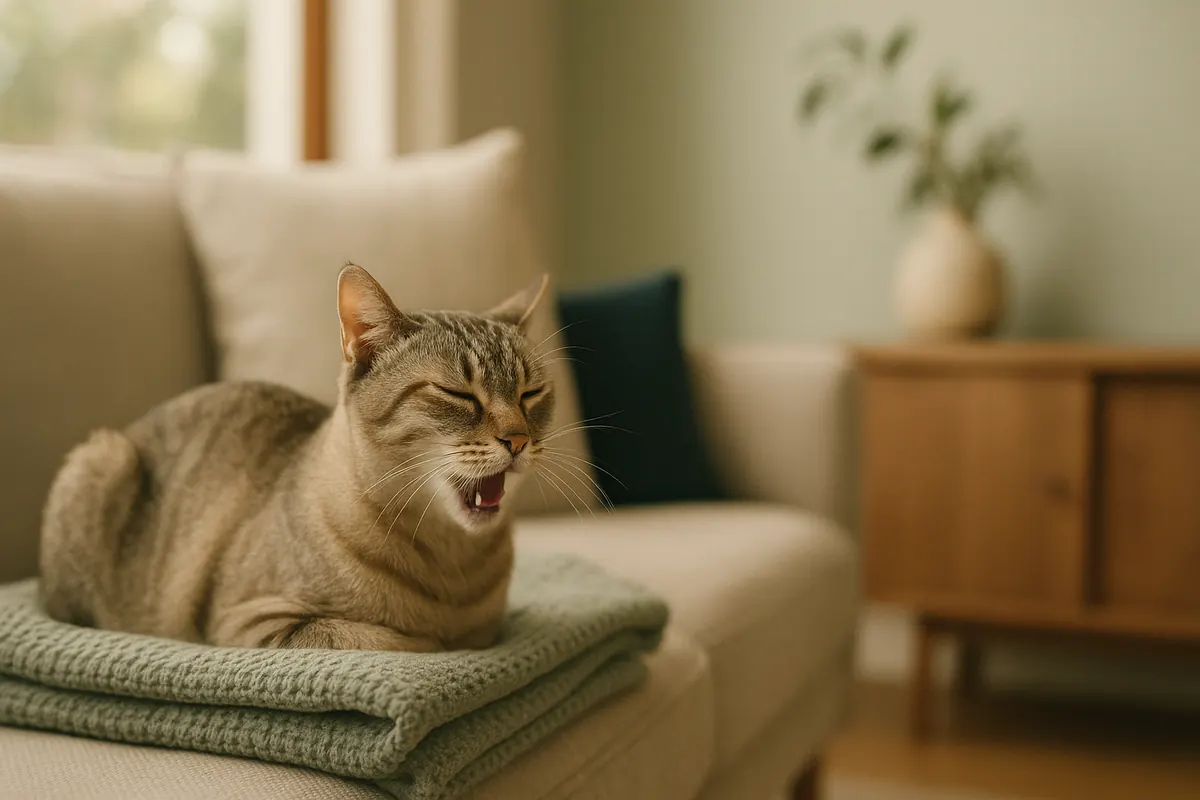
Cat flu is the catch-all term for feline herpesvirus-1 (FHV-1) and feline calicivirus (FCV), the two viruses that cause sneezing, runny eyes and runny noses in cats. Despite the name, neither is influenza. Most adult vaccinated cats with mild signs recover at home in 7 to 10 days. The cases that need a vet are unvaccinated kittens, lethargy, refusing food for 24+ hours, or open-mouth breathing. Below: how to recognise it, when to manage at home, and when to drive in.
What cat flu actually is
Two viruses, sometimes one, sometimes both:
- Feline herpesvirus-1 (FHV-1). The more common cause of severe disease. Causes sneezing, eye discharge, conjunctivitis, sometimes corneal ulcers. Once infected, most cats carry it for life and shed it intermittently during stress.
- Feline calicivirus (FCV). Causes sneezing, mouth ulcers (a clue), occasional joint pain. Most cats clear it; a minority carry it long-term.
- Bacterial co-infections commonly piggyback on viral cat flu, especially Bordetella, Mycoplasma and Chlamydia felis. These often need antibiotics.
Tell people when not to panic: cat flu is not contagious to humans. Dogs in the same household are also safe. The viruses are species-specific.
Recognising the signs
- Sneezing (often the first sign)
- Runny nose, watery eyes, sometimes thick yellow discharge
- Conjunctivitis (red, swollen eyes)
- Reduced appetite, often because the blocked nose stops them smelling food
- Mild fever (subtle to detect at home)
- Mouth ulcers (calicivirus, sometimes hard to see)
- Lethargy in moderate cases
Vaccinated adult cats often show only mild sneezing and watery eyes for a week. Unvaccinated kittens or immunocompromised cats can develop pneumonia, severe corneal ulcers, or chronic upper-airway disease. The ringworm in cats guide covers another respiratory-adjacent condition.

Home care that works
- Warm, humid environment. Bathroom steam after a hot shower (run the cat in for 10 minutes) helps loosen secretions. A humidifier in their sleep area is even better.
- Soft palatable food, warmed slightly to release aroma. Strong-smelling tuna or sardines often tempt cats off their food.
- Gentle eye and nose cleaning twice a day, soft tissue or cotton ball with warm saline.
- L-lysine supplement (250 mg twice daily) reduces FHV-1 viral replication, mixed evidence but cheap and low-risk.
- Plenty of fluids, wet food, fresh water, ice cubes for some cats.
- Quiet stress-free recovery space, stress reactivates herpesvirus.
When to see a vet
Tell people when not to wait it out:
- Unvaccinated kittens, any signs warrant same-day vet
- Refusing food for more than 24 hours
- Open-mouth or laboured breathing (emergency)
- Yellow or green discharge (bacterial, often needs antibiotics)
- Eye changes, cloudiness or visible ulcer (corneal ulcer, urgent)
- Lethargy, hiding more than usual
- Mouth ulcers preventing eating
- Symptoms persisting more than 10 days
Vet treatment cost ranges from $80 to $150 (consult plus antibiotic eye drops) for a mild case to $1,500+ for hospitalised kittens needing IV fluids and oxygen.
Vaccination and household management
The F3 vaccine (FHV-1, FCV, panleukopenia) is one of the standard kitten vaccines, repeated annually or triennially as advised. Vaccination doesn't prevent infection but dramatically reduces severity. Most vaccinated adult cats with cat flu have mild self-limiting illness.
If one cat in a multi-cat household gets cat flu:
- Isolate the sick cat for 10 to 14 days, separate food bowls and litter trays
- Wash hands and change clothes between handling cats
- Calicivirus survives on surfaces for up to a week, spray and wipe with diluted bleach (1:32) or veterinary disinfectant
- Stress (new pet, moving house, building work) can reactivate FHV-1 in carrier cats months later
Catteries and rescue centres are common transmission settings. New rescue cats often arrive with a low-grade flare that surfaces in the first 2 weeks of stress. The find a vet guide covers post-adoption health checks.

Straight answers
Is cat flu the same as human flu?
No. Cat flu is feline herpesvirus-1 (FHV-1) and feline calicivirus (FCV). Both are species-specific, not contagious to humans. The 'flu' name is just because the symptoms (sneezing, runny eyes and nose, fever) look like influenza.
Will my cat carry it forever?
Most cats infected with herpesvirus carry it for life as a latent infection. Stress, illness or immunosuppression can trigger recurrences (mild sneezing, watery eyes for a few days). Calicivirus tends to clear in most cats.
Can vaccinated cats still get cat flu?
Yes, vaccination reduces severity but doesn't fully prevent infection. Most vaccinated adult cats with cat flu have mild signs that resolve in a week. Unvaccinated kittens are the population that gets seriously sick.
How is cat flu treated?
Supportive: warm humid environment, soft palatable food, gentle eye/nose cleaning. Severe cases need fluids, antibiotics for secondary bacterial infections, and sometimes antiviral drops (Famciclovir). Treatment cost ranges from $0 (mild home care) to $1,000+ (hospitalised kitten).
Can my dog catch cat flu?
No. The viruses don't infect dogs. Dogs in the same household are completely safe.
How do I stop my other cat catching it?
Isolate the sick cat for 10 to 14 days, separate food bowls and litter trays, wash hands between handling. Calicivirus can survive on surfaces for up to a week, so spray and wipe with diluted bleach (1:32) or veterinary disinfectant.
Cat flu is mostly a problem of unvaccinated kittens and stressed multi-cat households. Vaccinated adults usually shrug it off in a week. The cases that need a vet are easy to identify if you know what to look for. Related: cat vomiting, ringworm in cats, emergency vet Sydney. Information here is general and isn't a substitute for veterinary advice.